Fast Growing Fall Crops
Just because summer is fading doesn’t mean your garden has to! Fall is the perfect time to keep those harvest baskets full with fast-growing, cool-season crops like leafy greens, crisp root vegetables, and more. Even if you’re getting a later start, there are plenty of veggies that can go from seed to harvest in just 30 to 60 days.
Whether you choose to sow seeds directly or grab a few nursery seedlings to save time, you’ll find that many fall vegetables thrive in cooler weather. Most are even hardy enough to handle frost, and some will keep growing well into winter depending on your zone. To make the most of this season, I’ll also share five simple tricks to speed up plant growth. You’ll be able to enjoy a fresh harvest before you know it!
When to start fall crops
The best time to kick off your fall garden is usually in mid to late summer, though exact timing depends on your climate and the crops you choose. If you’re starting from seed, check your planting zone’s calendar to see when each vegetable should be sown or transplanted. The earlier your area experiences its first frost, the sooner you’ll want to get growing. But some fall crops won’t germinate in the summer heat, so it can vary.
Some cool-season favorites (like cauliflower, broccoli, cabbage, and Brussels sprouts) take several months to mature, which means they need a solid head start to produce a harvest before freezing temperatures arrive. Thankfully, there are plenty of ways to shield plants from frost, allowing you to extend the season and give those long growers a little extra time.
If you’re in a hurry to harvest
Luckily, there are plenty of natural ways to speed up plant growth so you can enjoy fresh produce sooner.
1. Choose the Right Varieties
When shopping for seeds, pay close attention to the “days to maturity.” Some crops grow much faster than others, even within the same vegetable family. For example, certain radish varieties are ready in as little as 30 days, while others may take twice as long. If you live in a northern climate with a shorter growing season, stick to the quicker-maturing types for best results.
2. Start Seeds Indoors If Necessary
Getting a head start indoors can make a big difference. Outdoor conditions, like fluctuating temperatures and uneven moisture, often slow germination. Indoors, where you can provide steady warmth and moisture, seeds sprout quickly and grow strong. This also allows you to begin fall crops while summer plants are still thriving outside. Crops like broccoli, cabbage, or cauliflower do really well being started inside mid-summer. (Just remember: root veggies like carrots and radishes still prefer to be sown directly into the garden.)
3. Thin Seedlings Early
Overcrowded seedlings struggle because they’re competing for nutrients, space, light, and water. Within a week or two of sprouting, thin them down to one seedling per container or spot. You’ll notice they take off with impressive growth once they have room to stretch!
4. Start with Nursery Seedlings
If starting from seed isn’t your thing, buying healthy seedlings from your local nursery can give you a 4-6 week head start. Be selective though: bigger isn’t always better. Look for sturdy, vibrant plants with strong stems and healthy roots.
5. Feed for Faster Growth
Seedlings need a little fuel to reach their full potential. Avoid fertilizing too early, but around three weeks after sprouting, you can give them a gentle boost with a diluted liquid fertilizer, such as seaweed or fish emulsion. Before planting, enrich your garden beds with aged compost and a slow-release organic fertilizer to set your crops up for success all season long.
A list of fast growing fall vegetable crops
Here’s a quick roundup of the fastest-growing fall vegetables. Many of these can be harvested in just 30 to 60 days, sometimes even sooner if you pick them at their tender “baby” stage. Keep reading for a closer look at each crop, including their specific days to maturity along with helpful growing and harvesting tips.
- Radishes
- Turnips
- Carrots
- Beets
- Green Beans
- Fava Beans
- Lettuce
- Spinach
- Green Onions & Scallions
- Bok Choy
- Arugula
- Kale
- Mustard Greens
- Other Leafy Greens
Radishes
Days to Harvest: 28–60+
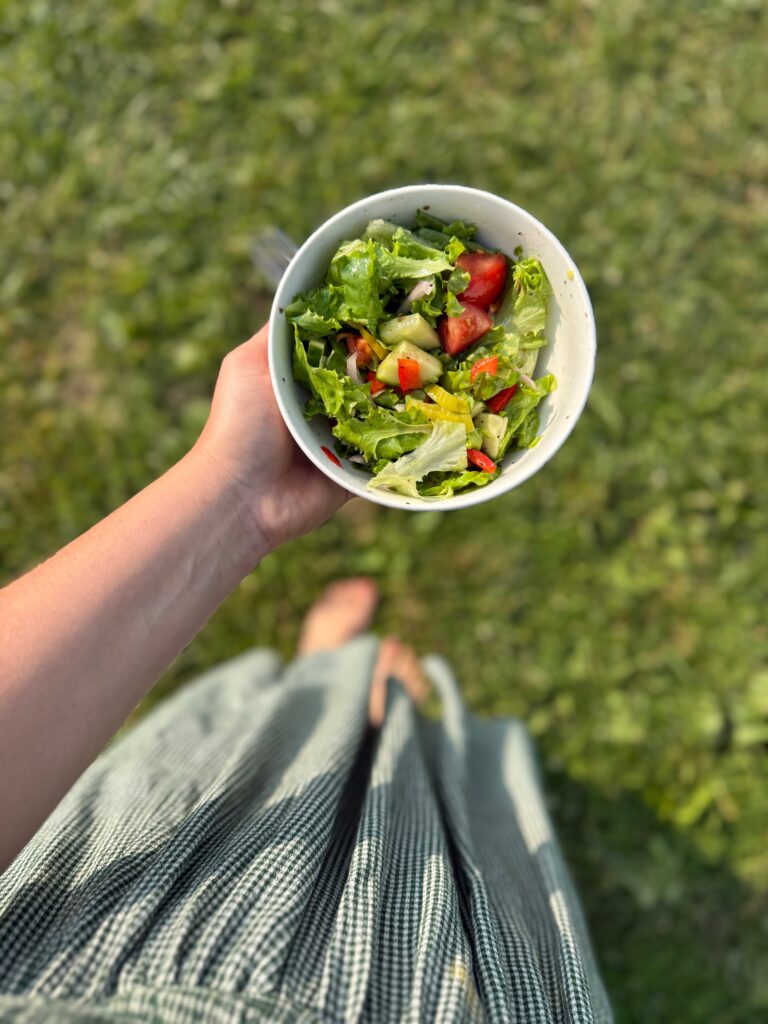
Small radishes, like red rounds, grow fastest. Thin seedlings early for healthy, speedy growth. Favorites include Pink Beauty, Easter Egg, White Icicle, and Sora Red Round. Many of these are ready in just 30 days, so you might get two crops before frost.
Larger daikons take longer but are worth it, and their greens are nutrient-packed. Radishes aren’t just for salads. Try them roasted, in soups or sandwiches, sautéed, or fermented into pickles.
Turnips
Days to Harvest: 25–30 for greens, 30–75 for roots
Turnip timing depends on the variety. Small, tender “salad turnips” grow quickly, while larger types take longer. Market Express is a fast-growing favorite, and classic purple top white turnips are always reliable. Don’t forget the greens. They’re nutritious and tasty! Sauté them with seasonal veggies, toss them in soups or frittatas, or enjoy however you like.
For a continuous harvest, pick a few of the oldest outer leaves each week (“cut and come again”), or harvest the whole bunch when the roots are ready.
Baby Carrots
Days to Harvest: 40–50 for baby carrots, 65–90 for mature carrots
Carrots take a bit longer than radishes or turnips, but with good spacing and thinning, baby carrots can be ready in under two months. Short on time? Choose early-maturing varieties like Little Finger. Carrots are also tough. They can handle temps down to 15°F! If you plant them in a fall with enough time for them to mature before frost, the ground can act as a root cellar while you enjoy them one at a time.
Don’t toss the greens because they’re surprisingly tasty. Use them for carrot top pesto, add to green juices, or mix into chimichurri. Make the most of every part of your harvest!
Beets
Days to Harvest: 25–30 for greens, 55–65 for roots
Beet roots take a few months to fully mature, but baby beets are still worth harvesting. The greens are where the magic happens! Early varieties like Early Wonder grow fast and are one of the best fast growing fall crops, and some gardeners grow beets just for their tender, vitamin-packed tops.
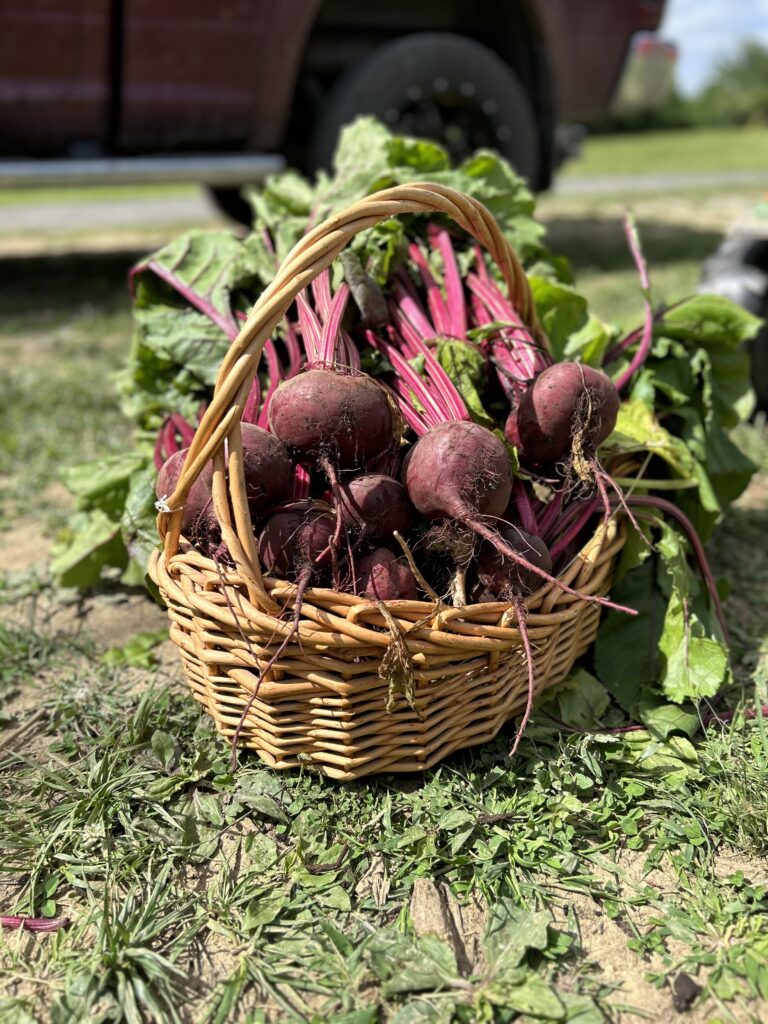
Beet greens taste a bit like swiss chard and can be ready in about 30 days. Harvest a few outer leaves at a time (“cut and come again”) or take the whole bunch when frost approaches. They’re delicious sautéed with olive oil or butter, tossed in soups, or enjoyed fresh in salads with a squeeze of lemon.
Beets are also one of the few root veggies that can be started indoors—just transplant carefully before the roots get root-bound.
Fava Beans/Greens
Days to Harvest: 30–40 for greens, 50 for small beans, 75–80 for mature beans
Fava beans are a fall garden superstar! Not only do they fix nitrogen to improve soil, reduce erosion, and act as mulch, but the entire plant is edible (leaves, flowers, pods, and beans).
Small beans have tender pods you can eat whole, and the leaves and top shoots are great in salads, soups, or sautés. Try them in our fava bean greens pesto for extra flavor. Even if a freeze hits before full maturity, you’ll still have a tasty harvest, and favas can tolerate temps down to 10°F.
After harvest, leave the roots in the soil to enrich next year’s garden, and cut stalks at the soil line to compost or decompose in place.
Lettuce
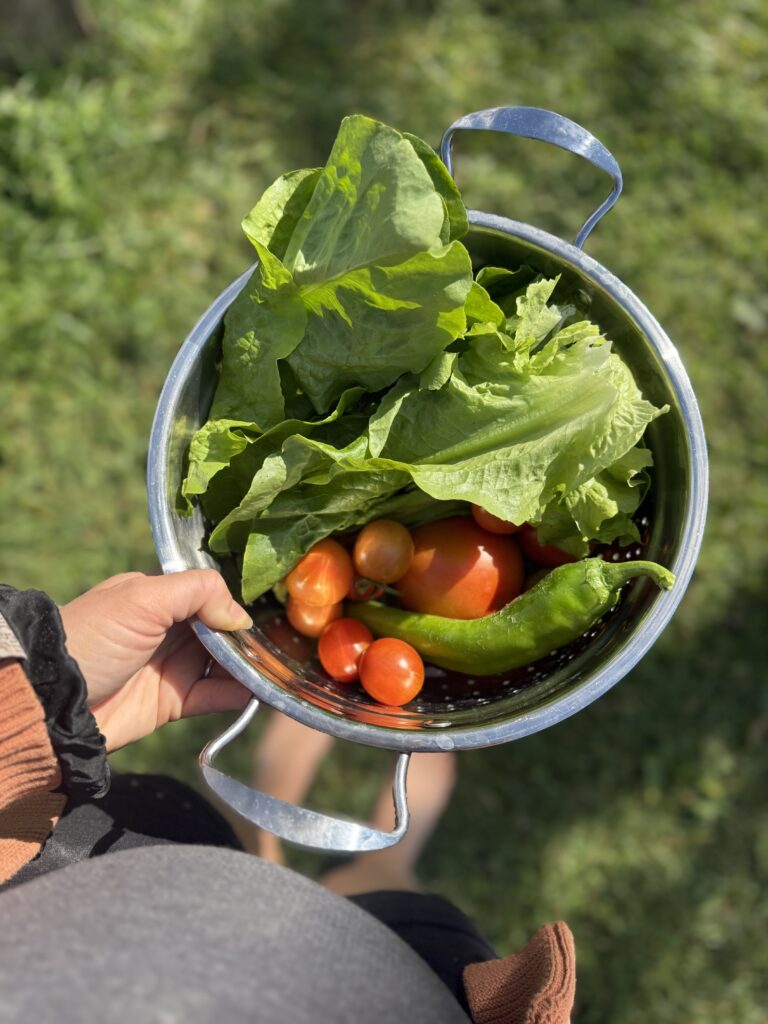
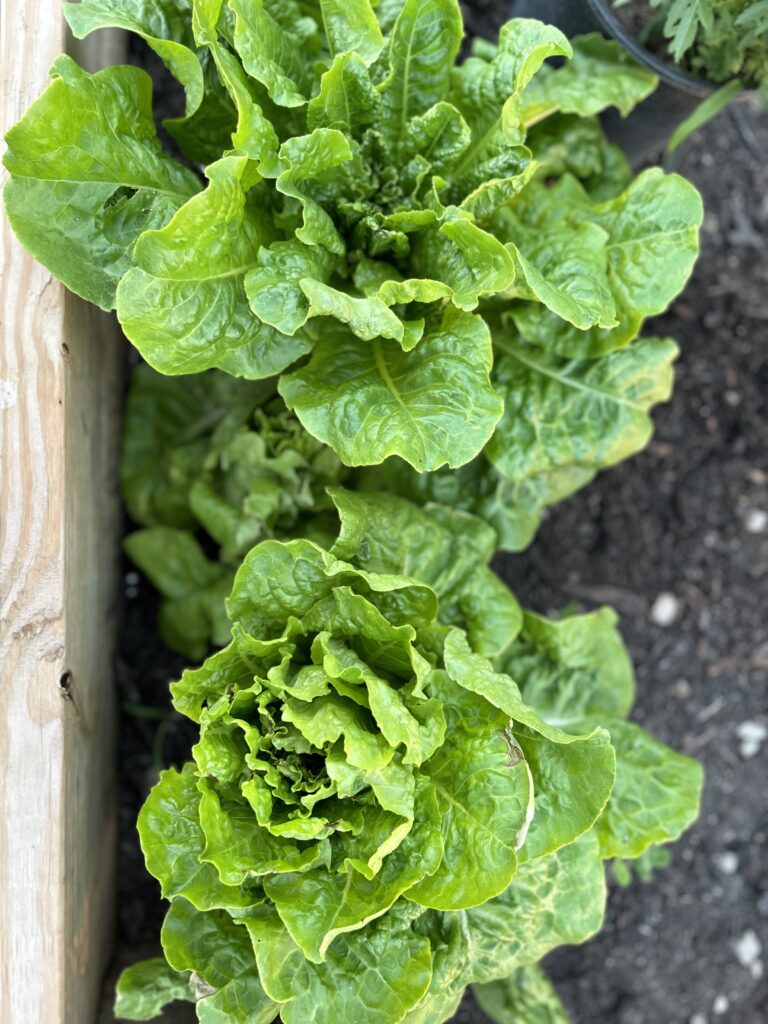
Days to Harvest: 25 for baby leaves, 50-60 for full heads
Lettuce timing varies by variety, and baby-leaf types give the quickest harvest. Lettuce seeds prefer cooler soil and may struggle to sprout above 80°F.
Favorites like Jericho Romaine, Nevada, Freckles, Magenta, Red Mist, and Muir are heat-tolerant and slow to bolt. They’re perfect for warm fall days. Their open heads also make “cut-and-come-again” easy, so you can harvest a few outer leaves each week without waiting for full heads.
Spinach
Days to Harvest: 25 for baby leaves, 35–45 for mature leaves
Spinach thrives in cooler fall weather and grows quickly. Baby spinach can be harvested when leaves are 2–4 inches long, while larger varieties, including favorites like Flamingo, also develop fast. Seeds germinate best in soil between 60–70°F, and a light frost can even sweeten the leaves.
Green Onions/Scallions
Days to Harvest: 50–65 for mature green onions or scallions
Full onion bulbs take time, but their green tops can be ready in under two months. Green onions are just the young onion tops harvested before the bulb forms, while scallions (bunching onions) produce little to no bulb but the greens are just as tasty. Favorites include Red Florence and White Lisbon.
Harvest once greens reach about 6 inches—pick a few shoots or pull the whole young onion. For repeated harvests, cut greens an inch or two above the soil, or place the bulb and roots in water to regrow.
Bok Choy
Days to Harvest: 21–30 for baby greens, 45–50 for mature leaves or full baby bok choy heads
Baby bok choy, like Toy Choy, grows fastest and is best harvested all at once. Looser, open-headed varieties—such as Joi Choi and Prize Choy—are perfect for cut-and-come-again harvesting, letting you pick leaves gradually. Both favorites have thick stems and an open structure, making them ideal for prolonged harvests throughout the season.
Arugula
Days to Harvest: 21–35 for baby leaves, 38–50 for mature leaves
Arugula shines in the cool days of fall. There’s less chance of bolting and extra flavor in every leaf. Pick individual leaves as needed for salads, soups, pasta, or quiche.
Favorites include Esmee (nutty, cold-tolerant) and Astro (moderately spicy, heat- and cold-tolerant, perfect for cut-and-come-again harvesting).
Kale
Days to Harvest: 30 for baby greens, 50–65 for mature leaves
Kale is the ultimate cut-and-come-again crop and one of our favorite fast growing fall crops. Once seedlings have 5–6 small leaves, start harvesting a few outer leaves each week—leave some behind to keep the plant growing. Avoid cutting the center unless you’re done with the plant.
Baby leaves are great in salads, while mature leaves can be used any way you like. Kale thrives in cold weather, gets sweeter after light frost, and can last well into winter with protection from hard freezes. Favorites include Dazzling Blue, Lacinato, Red Russian, and Scarlet, while curly types like Dwarf Green Curled and Meadowlark are extra frost-hardy.
Mustard Greens
Days to Harvest: 21 for baby greens, 40–45 for mature leaves
Mustard greens are a cool-season favorite, offering a range of colors, sizes, and spice levels. For bold, zesty flavor, Japanese Red Giant is a must-grow. Green Wave is prolific and cold-tolerant, while Red Splendor is frilly, slow to bolt, and full of flavor. Like other leafy greens, they’re perfect for repeated harvests. Snip baby leaves for salads or wait for full-sized leaves for cooking.
Green Beans
Days to Harvest: 50–60 for bush beans, 60–70 days for pole beans
Green beans are one of the easiest and most rewarding vegetables to grow in a home garden. They thrive in warm soil, germinate quickly, and don’t require much more than consistent watering and plenty of sunlight. Whether you choose compact bush beans or climbing pole beans, they provide generous harvests in a relatively short time, often ready within 50–70 days. Growing green beans at home is important because they enrich your diet with fresh, nutrient-rich produce, help cut grocery costs, and encourage more sustainable eating. Plus, beans naturally fix nitrogen in the soil, improving fertility for future crops.
Other Leafy Greens
Days to Harvest: 21 for baby greens, 40–60 for mature leaves
There are plenty more fast growing fall crops and leafy greens for fall beyond this list! Swiss chard, collards, mizuna, sorrel, tat soi, and other Asian greens all grow quickly and can provide harvests for months with a little frost protection. Baby leaves are especially popular. After all, many salad mixes and microgreens are made from chard, kale, and these tender greens.
Protecting Plants From Frost
Many fast-growing cool-season crops can handle a light frost, especially mature plants or cold-hardy varieties. Some even taste sweeter after a touch of cold! But some, like lettuce and other leafy greens, will not handle frost well. Just watch out for young seedlings, which are more vulnerable, and remember that a hard freeze can still kill even established plants.
Keep an eye on the forecast and protect your crops when needed. A simple frost cloth works well—either draped over plants or supported with garden hoops.
Ready to start your fast growing fall crops?
Feeling more confident and excited about your fall garden? I hope so! With these tips and fast growing fall crops, you’ll be enjoying homegrown goodies before you know it.
Looking for a refreshing treat? I think you’ll love my simple whey lemonade! Check out the recipe here.
Get the scoop each week in our Acres and Aprons newsletter! It’s a round up of all of the latest happenings around the homestead, our favorite recipes and the best links and discount codes for products we love. Jump on the list here.